SpaceX Buys $329M in Tesla Megapacks for Data Centers
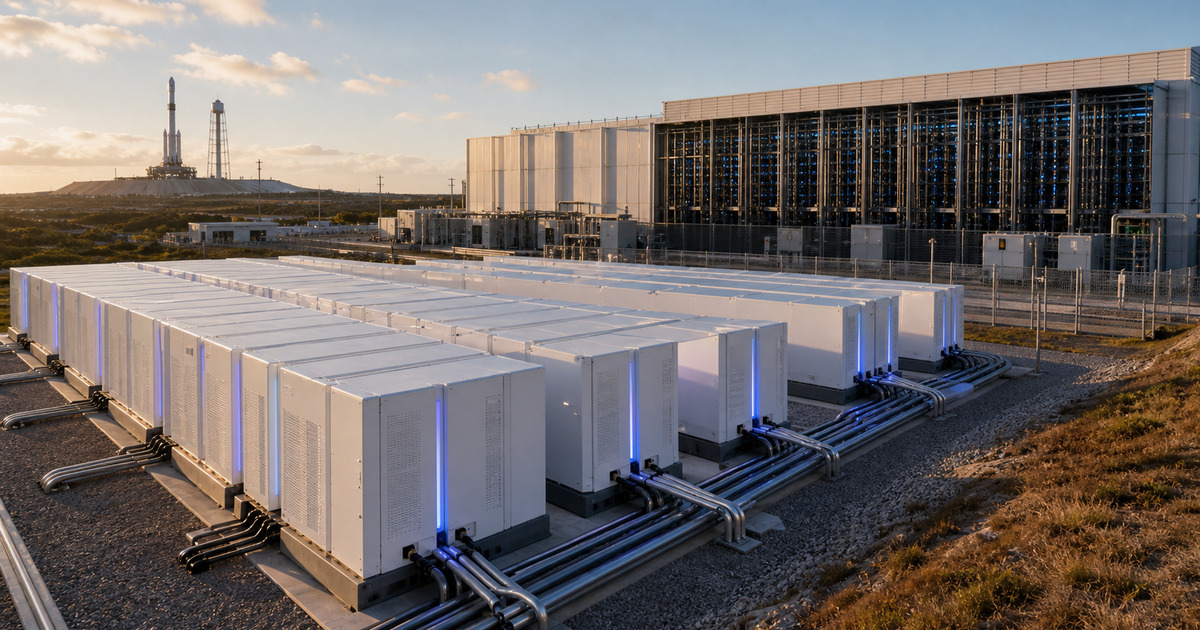
TechCrunch reports that SpaceX spent $329 million on Tesla Megapacks so far this year, including $295 million during the second quarter alone. The massive battery storage orders primarily support high-demand data centers following SpaceX's acquisition of xAI.

⚡ In Short
- SpaceX directed $295 million toward Tesla battery equipment specifically during the second quarter earnings period.
- Before joining SpaceX, xAI acquired social media platform X in 2025 to expand its technology footprint.
- Megapack industrial batteries deliver instant electricity within a second or less to handle fluctuating GPU power spikes.
What Happened?
Key Highlights
SpaceX directed $295 million toward Tesla battery equipment specifically during the second quarter earnings period.
Before joining SpaceX, xAI acquired social media platform X in 2025 to expand its technology footprint.
Megapack industrial batteries deliver instant electricity within a second or less to handle fluctuating GPU power spikes.
Why It Matters
💡 Related AI Tools
Conclusion
Discover More on QuickTool
Recommended AI Tools for AI News
View all 111 toolsAI Text to Speech
Convert any text into natural-sounding speech instantly using browser AI.
AI Image Generator
Generate stunning images from text using advanced AI models.
AI SEO Title & Meta Generator
Generate SEO-optimized Page Titles and Meta Descriptions.
AI Business Plan Generator
Generate a complete 10-page business plan with executive summary, market analysis, and financial projections.
Latest Blogs
In-Depth Articles
Tools for the next step
These links are selected from this page's topic, not from a generic popularity list.